
By Ethan Lamptey, EAL Spray Finishes, Milton Keynes · Updated
For most houses in England you don't need planning permission to change the colour of your windows and doors, because repainting is usually treated as minor work. The exceptions are listed buildings, homes covered by an Article 4 direction (common in conservation areas), flats, and homes where a lease, covenant or managed-estate rules control how the outside looks. If any of those might apply, check with your local council or freeholder before booking. This guide is general information, not legal advice.
Houses: usually no permission needed
Repainting the outside of a house, including spraying uPVC windows, doors and garage doors, normally falls under permitted development or isn't classed as development at all. That means an ordinary freehold house that isn't listed and isn't covered by an Article 4 direction can usually change its window colour without applying for anything.
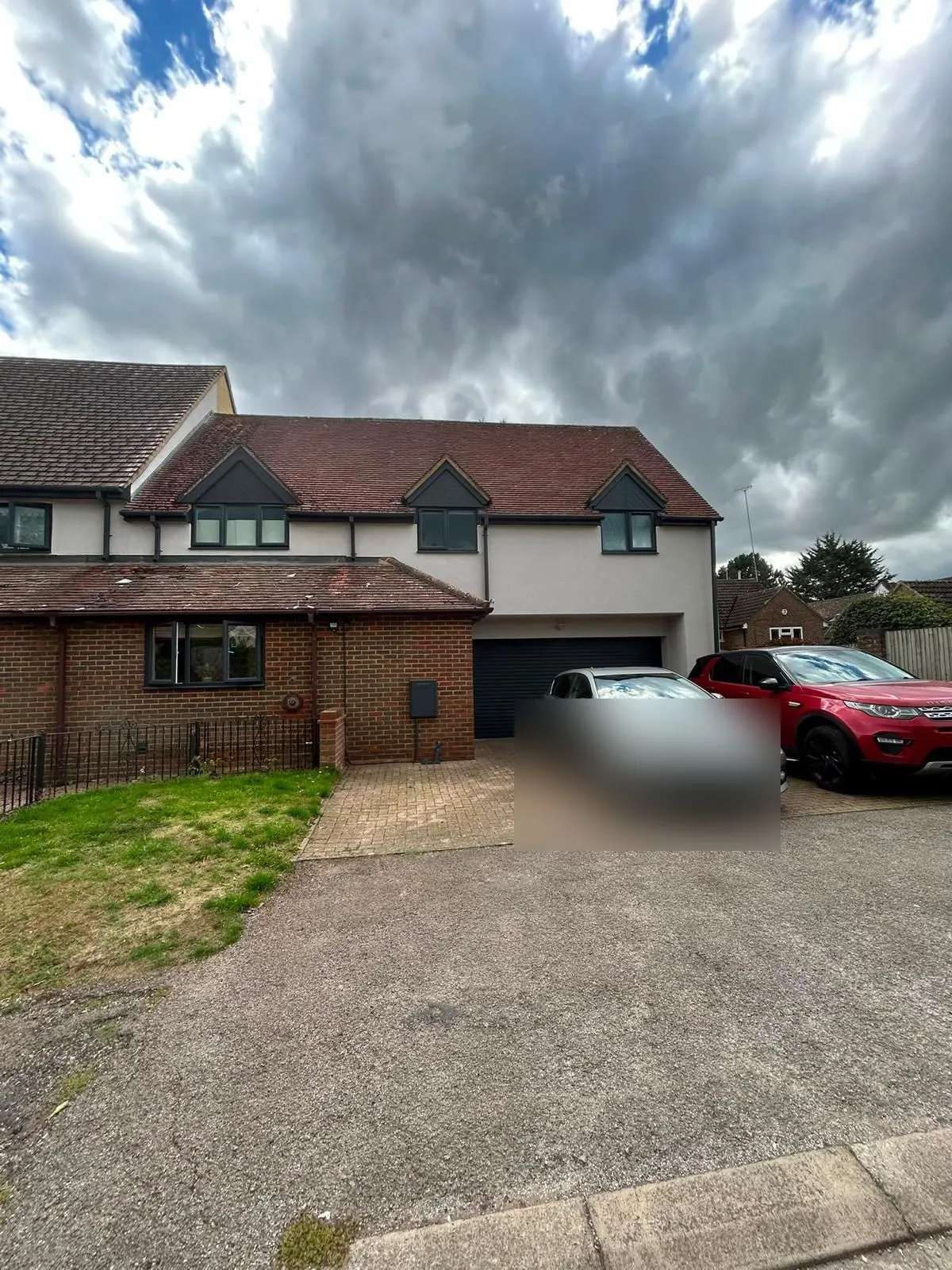
Even so, it's sensible to think about the street. In Milton Keynes, whole estates were often built with the same windows and doors, and a well-chosen colour such as anthracite grey tends to set a trend rather than look out of place.
Conservation areas and Article 4 directions
Living in a conservation area doesn't automatically mean you need permission to repaint. What matters is whether the council has made an Article 4 direction, which removes some permitted development rights so that changes to the front of a house, such as windows, doors and their colour, need planning permission.
Article 4 directions are common in historic town centres. Around Milton Keynes that includes parts of the old village centres and towns such as Stony Stratford, Olney, Newport Pagnell and Buckingham. Rules differ street by street, so check the exact address.
- Search your council's website for 'conservation areas' and 'Article 4 directions' and look for your street.
- If you're in one, email the planning team with a photo and the colour you want. Many councils will give informal advice.
- Keep any written reply with your house documents.
Listed buildings
If your home is listed, almost any change to its appearance, including the colour of windows and doors, can need listed building consent. Doing work without consent can be a criminal offence, so always speak to the council's conservation officer first. Many listed buildings have timber windows rather than uPVC, which brings its own considerations.
Flats, leases and managed estates
Planning law is only half the picture. Many homes have private rules that control how the outside looks:
- Leasehold flats: the lease often says the outside of the building, including windows, belongs to or is controlled by the freeholder. Ask the freeholder or managing agent for written consent.
- New-build and managed estates: covenants or estate management rules may restrict colours. Check your transfer deed or ask the management company.
- Housing association and shared ownership homes: ask your landlord before making changes.
Landlords and managing agents looking after whole blocks can get one quote for every door and window in a building. See metal door spraying.
Changing colour across a street or estate
On many Milton Keynes estates the houses were built at the same time with identical windows, doors and garage doors. When one house changes colour, neighbours often follow. If you and the people next door are thinking about it, it can make sense to plan it together.
- Agree a shade. Anthracite grey (RAL 7016) is the most common choice, but any RAL colour can be matched exactly so every house is the same.
- Check the same rules apply to each house. A house on the edge of a conservation area may be treated differently from the one next door.
- Ask about doing several houses on one visit. Setting up once for a run of houses can bring the price per item down for everyone.
- For flats and terraces owned by one landlord, get the freeholder's written agreement before anyone books.
If you're not sure which shade suits brick, render or stone, the anthracite grey guide covers what works with common UK house finishes.
Your local council
EAL Spray Finishes works across these council areas. Their planning teams can confirm whether your address is listed, in a conservation area or covered by an Article 4 direction:
| Council | Towns we cover |
|---|---|
| Milton Keynes City Council | Milton Keynes, Bletchley, Newport Pagnell, Wolverton, Stony Stratford, Olney, Woburn Sands |
| Buckinghamshire Council | Buckingham, Aylesbury |
| Central Bedfordshire Council | Leighton Buzzard |
| Bedford Borough Council | Bedford |
| West Northamptonshire Council | Northampton |
Find your town on the areas we cover page for local notes.
Before you book
- Freehold house, not listed, no Article 4 direction: you can usually go ahead.
- Conservation area: check whether an Article 4 direction covers your street.
- Listed building: speak to the conservation officer first.
- Flat or managed estate: get written consent from the freeholder or management company.
Once you know where you stand, send photos for a free quote. This guide is general information, not legal advice.